Access to Quality Education
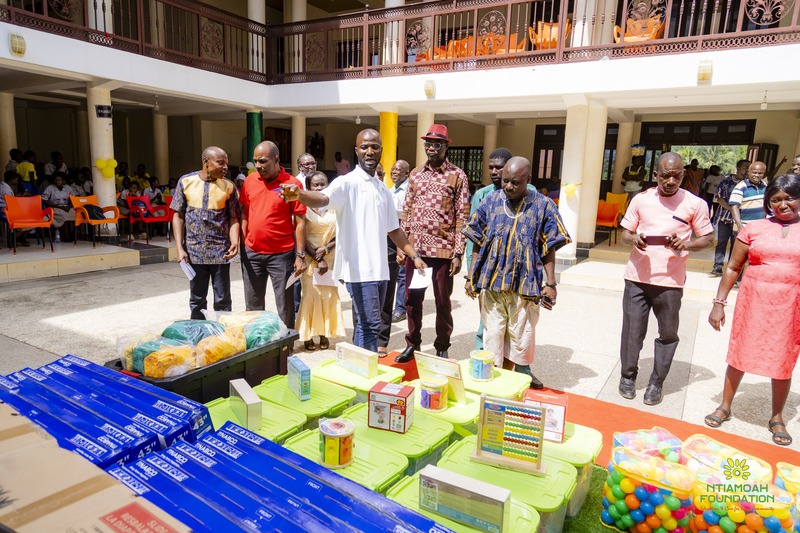
We are committed to making education accessible to all children in underserved communities through infrastructure and early learning resources.
Building brighter futures
through education.
Literacy opens the door to opportunity, while technology expands how far that opportunity can reach. Yet many children in rural and underserved communities still lack access to books, functional libraries, trained learning support and digital tools. Ntiamoah Foundation works to bridge these gaps—helping children build the literacy and digital skills they need to learn, grow and thrive.
Partner on EducationLiteracy & Reading
Reading as a tool
for learning.
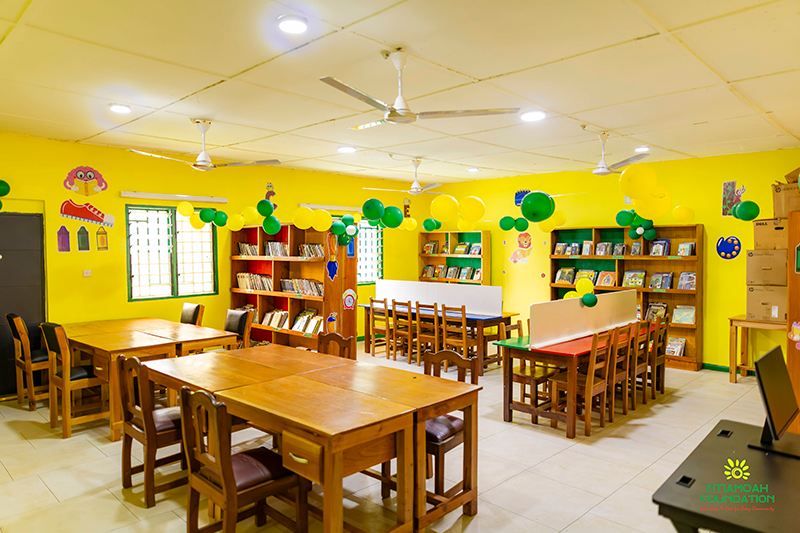
Our reading strategy is designed to improve literacy outcomes by creating stronger, more supportive environments for children to read and learn. We accomplish this by strengthening school-based reading programmes, developing and improve school and community libraries, and expanding access to age-appropriate and relevant reading materials.
Our 2030 Literacy Ambition:
We are working towards:
- 20 schools with active reading programmes.
- 5 sustainable libraries.
- 50 trained teachers and volunteers.
- 30% or more improvement in literacy scores in target schools.
And ultimately, fewer children falling behind or leaving school because they lacked the reading foundations needed to succeed.
Support This Initiative
Digital Learning & ICT
Preparing rural children for a digital future.
Digital literacy is becoming essential for education, employment and participation in the modern economy. But access remains unequal.
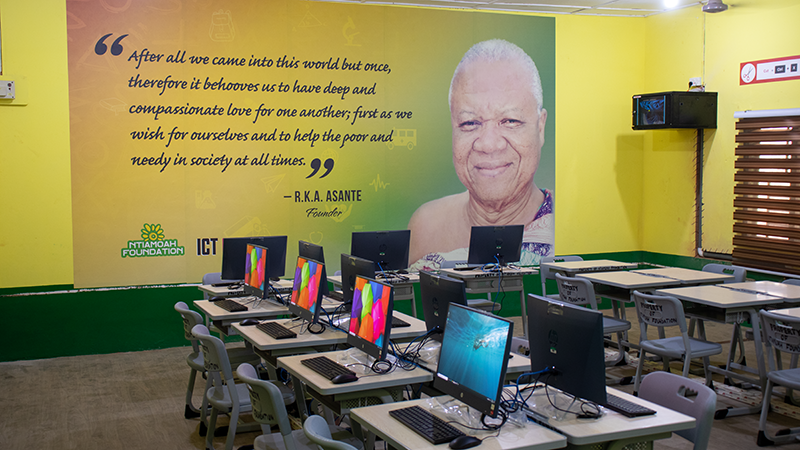
Our ICT strategy aims to help rural schools move from limited technology access towards meaningful digital learning. We intend to support schools with computers, functional ICT laboratories, skills development and opportunities for students to participate in ICT competitions.
By 2030, our targets include:
- 10 fully functional school ICT laboratories.
- 200 computers actively used by students and teachers.
- 100+ teachers and students proficient in ICT.
- ICT integrated into at least 10 school curricula.
- Participation by rural students in district and regional ICT competitions.
Education in Action